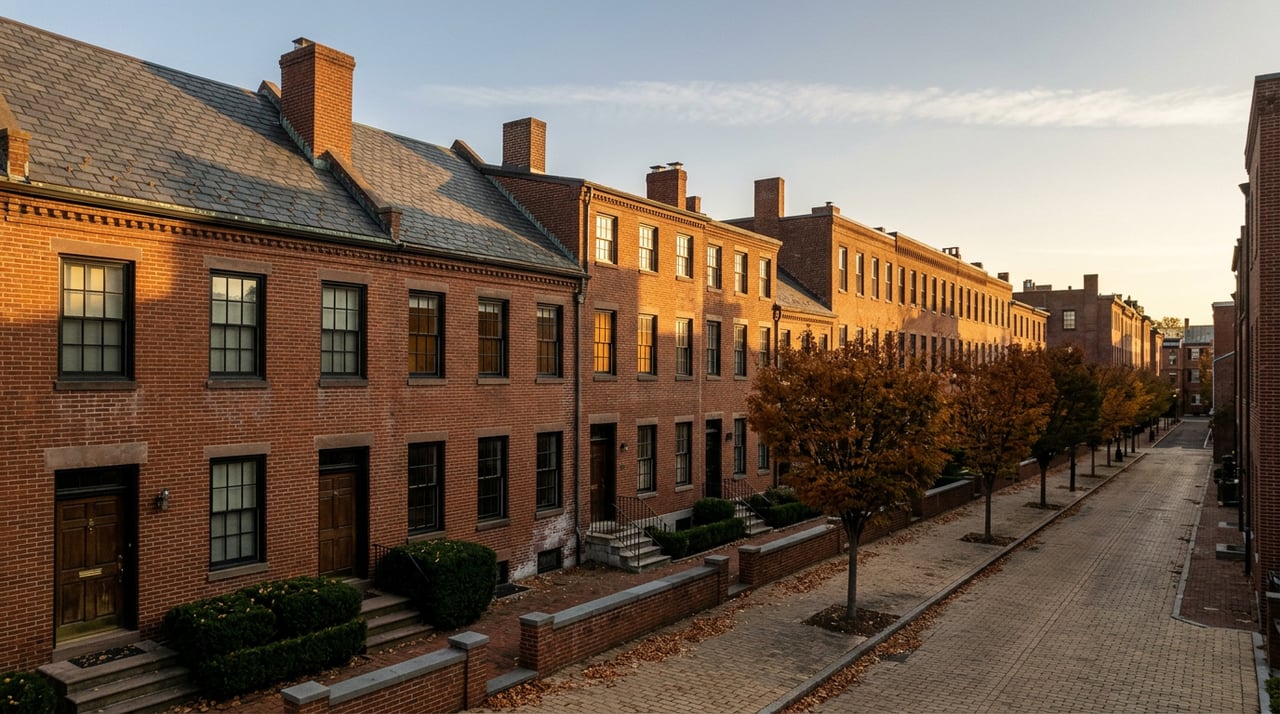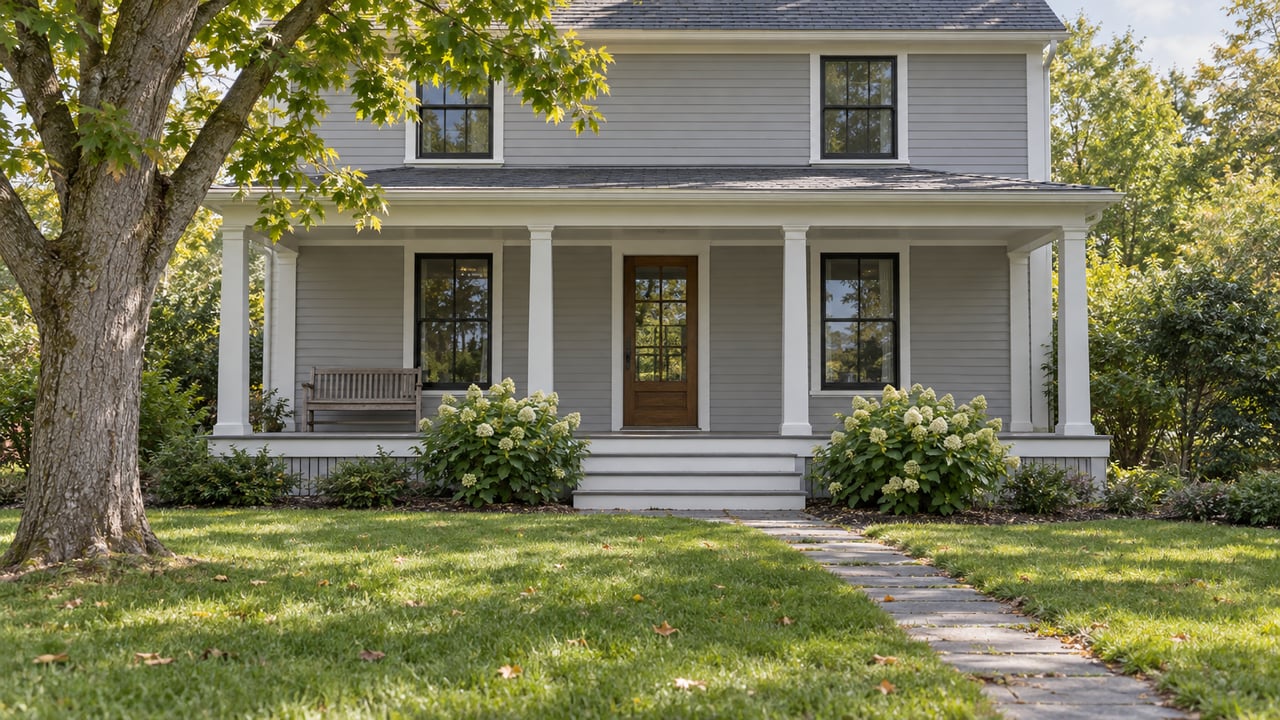
Two Augusts ago, a trio of neighbors set up on a porch along Chestnut Street and worked their way through Stealers Wheel's "Stuck in the Middle With You" while a small crowd gathered on the sidewalk with folding chairs. Tom Langlais, Dan Margarita and Jane Marcus were three of more than a hundred acts playing that day, one stop among dozens on a walking circuit that turned front lawns across Wakefield into a single afternoon-long concert. It was, by most measures, a nice way to spend a Saturday. What nobody watching from the sidewalk that day could have known is that the event would eventually outgrow its own calendar.
This year's Wakefield Porchfest ran August 29th, its third go, and it grew again: 117 musical acts across 59 locations, up from the more than 100 acts at 50-plus spots that each of the first two years drew. A kickoff party at Waves Restaurant & Bar on North Avenue in early July got the summer started, with three local bands and the debut of the official event t-shirt. All of that is a solid festival recap. It's also not the interesting part.
The interesting part is what the festival's success did to the town's civic structure. Porchfest didn't just happen again this year. It produced something that will outlast the day itself, a nonprofit built specifically to keep Wakefield's music going after the porches go quiet.
A Festival That Filed Paperwork
Next Stage Wakefield, Inc. became a registered 501(c)(3) this year, and its own mission statement is blunt about why it exists: the success of Porchfest showed there was more appetite for live local music than one Saturday in August could hold. The organization describes its goal as creating stages, events, and opportunities for musicians of all levels to perform, connect, and develop their craft, with Porchfest as the flagship but not the ceiling. The stated aim going forward is to lower barriers to entry, support emerging artists, and build pathways for live performance that run through the whole year, not just the last weekend of summer.
That's a different kind of local story than most towns produce around a festival. Plenty of communities throw a good annual event and call it a tradition. Fewer turn that event into standing infrastructure with a tax ID and a board. Wakefield did, and it did it in the same year the festival itself was setting attendance records, which suggests the timing wasn't an accident so much as an acknowledgment that the demand had outpaced the format.
The Schools Got There First
Here's the part that reframes the whole story: Wakefield's adult porch-festival scene isn't the origin of this. It's downstream of something the school system has been building for well over a decade.
The NAMM Foundation, the philanthropic arm of the National Association of Music Merchants, has named Wakefield Public Schools a Best Community for Music Education fifteen separate times. The designation isn't a popularity contest. It's awarded through a review process that scores district funding, instructional time, participation rates, facilities, and community support, verified by an independent research firm called WolfBrown. Fifteen years of clearing that bar means fifteen years of the town choosing, budget cycle after budget cycle, to keep music funded at a level that outside evaluators consider exceptional.
That funding shows up as a network, not a single program. The Reading Post's coverage of this year's Porchfest registration drive named the layers explicitly: the Town of Wakefield, Wakefield Public Schools, the Wakefield Music Boosters, the Wakefield Performing Arts Department, the Children's Playhouse of Wakefield, and the Wakefield High School Marching Band all get cited as parts of the same support system for performing arts and emerging musicians. Porchfest didn't create a music culture in Wakefield. It gave an existing one, one the schools had spent fifteen years cultivating, a public stage for the adults who grew up inside it.
Farm Street Has the Receipts
National recognition and civic pride are one thing. Wins on a competitive field are another, and this is where the argument stops being about goodwill and starts being about results.
The Wakefield High School Warrior Marching Band, based out of 60 Farm Street, enters this fall on a three-peat streak: three consecutive NESBA championships, most recently taking first place in Division 5 with a Platinum Medal score of 97.89. NESBA competitions score bands on a rubric that covers musicianship, visual performance, and general effect, judged against every other band in the division that season. Winning once can be a strong year. Winning three years running means the program is developing musicians consistently, not riding a single talented graduating class.
This year's field show, titled "A View Askew," is built around a theme of shifting perspective, angles bending, the sense that nothing on the field stays still for long. It's a fitting note for a program that keeps returning to the same competitive tier and keeps winning it anyway.
What Fifteen Years of Funding Actually Buys
Put the pieces next to each other and the shape of the argument gets clearer. A school district doesn't get named a Best Community for Music Education fifteen times by accident, and a marching band doesn't win a division three years straight without a pipeline feeding it: private lessons, ensemble time, instructors, instruments that work. That pipeline is expensive and slow to build. Wakefield built it over more than a decade, largely inside the school budget, long before anyone was setting up amps on a porch.
What Porchfest and Next Stage Wakefield have done is give that investment a second life outside the school calendar. The kids who marched with the Warriors and the adults who learned an instrument through the town's music programs now have a summer festival built for exactly the skills they already have, and starting this year, a nonprofit whose entire job is making sure that outlet exists in more months than just August. Chestnut Street's porch show from two years ago and Farm Street's marching band field both draw from the same well. One just happens outdoors on a Saturday in front of neighbors instead of judges.
None of this required a listicle of best-of superlatives to prove. The numbers do the work themselves: fifteen recognitions from an independent national foundation, three straight championships from a regional judging body, and a fifty-plus-location festival that grew into a nonprofit inside its own third year. That's not a town with a nice arts scene. That's a town that decided, year after year, to keep funding the thing that eventually produced all three.
If you're looking for a way to plug in before next August rolls around, Next Stage Wakefield's own site is the place to watch for updates on programs beyond the festival itself, and the Wakefield High School Bands page tracks the Warriors' competition schedule for anyone who wants to see this fall's show in person.
Wherever you end up hearing it this season, on a porch, on a football field, or drifting out an open window on Farm Street, it's worth knowing how long the town has been paying to make sure that sound exists at all. Flow Realty has been paying attention to what makes towns like this one work for a while now, and we're glad Wakefield keeps giving us reasons to.